
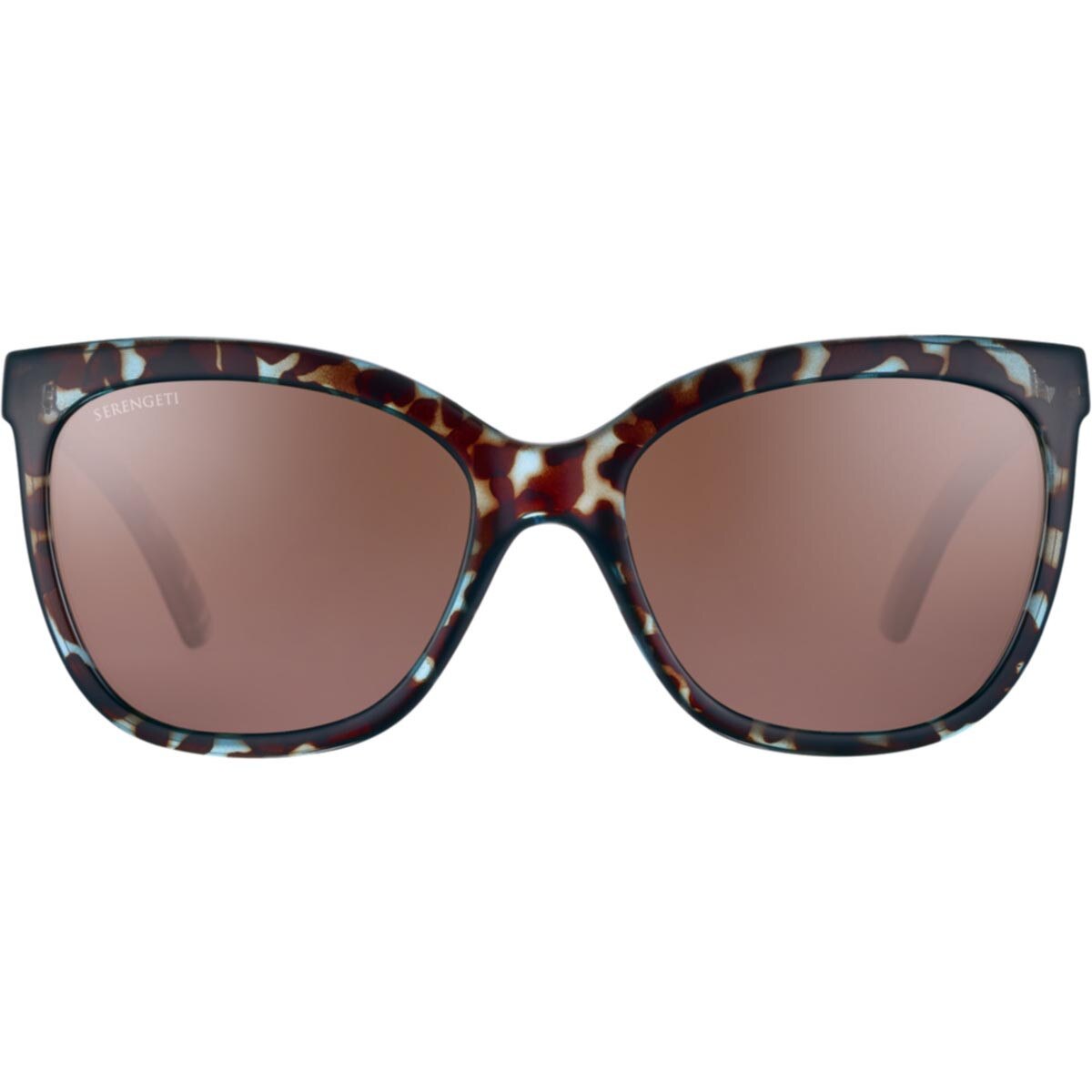
You're standing in front of a wall of sunglasses, squinting at the labels — polarized, non-polarized, photochromic — and suddenly the simple errand of buying shades feels like a pop quiz you didn't study for. Let's cut through the noise. Understanding the difference between polarized and non-polarized lenses takes about five minutes, and it could genuinely change how you see the world — literally.
What Does Polarized Actually Mean?
Light normally bounces off surfaces in every direction. When it reflects off flat, horizontal surfaces — water, pavement, snow, the hood of a car — it intensifies into a concentrated horizontal glare. That's the blinding flash that makes driving into the sunset dangerous or fishing in midday sun nearly impossible.
Polarized lenses contain a microscopic filter oriented vertically, which blocks that horizontal glare at the source. The result isn't just reduced brightness — it's a fundamentally cleaner, truer view of the world. Colors appear richer, contrast sharpens, and eye fatigue drops significantly over the course of a long day outdoors.
Non-polarized lenses reduce overall light transmission using tinted or coated lenses, but they don't discriminate between ambient light and reflected glare. You get darker vision, not necessarily clearer vision.
When Polarized Lenses Are the Clear Winner
For most outdoor activities involving reflective surfaces, polarized lenses aren't just preferable — they're the smart choice.
- Driving: Road glare and wet pavement reflections are dramatically reduced, improving reaction time and reducing fatigue on long hauls.
- Water sports and fishing: Polarized lenses cut surface glare on water entirely, letting anglers actually see beneath the surface.
- Snow and skiing: Flat light conditions on the slopes create treacherous glare; polarized lenses restore depth and contrast.
- Beach and hiking: Any environment with sand, water, or open sky benefits from the glare-cutting properties of polarized lenses.
Serengeti has built much of its reputation on polarized lens technology designed for exactly these conditions. The Serengeti Carrara Pilot Sunglasses are a standout example — their polarized lenses are engineered for high-contrast environments, making them ideal for drivers and outdoor enthusiasts alike. For something with a more fashion-forward silhouette that doesn't compromise on optics, the Serengeti Bormio Wrap Sunglasses deliver polarized protection in a sporty wraparound design built for active days.
When Non-Polarized Lenses Make More Sense
Polarized isn't always the answer — and being honest about that is more useful than a blanket recommendation.
- Screen visibility: Polarized lenses can interact poorly with LCD screens, making dashboards, ATMs, smartphones, and ski goggle displays harder to read. If you spend significant time looking at screens outdoors, non-polarized lenses avoid this frustration.
- Low-light or overcast conditions: In flat, diffused light — think overcast skies or dawn and dusk — polarized lenses don't offer much advantage, and a lighter non-polarized tint may actually serve you better.
- Certain aviation: Pilots are often advised against polarized lenses due to the way they can distort the appearance of certain instrument panels and cockpit displays.
- Budget considerations: Quality non-polarized lenses with UV400 protection still shield your eyes from harmful ultraviolet radiation. If polarized isn't in the budget, UV protection is the non-negotiable baseline.
The Case for Wiley X: Polarized With Purpose
Wiley X approaches polarized lenses through the lens of protection — literally. Their frames meet ANSI Z87.1 safety standards while delivering optical clarity that holds up in demanding conditions. For those who need eyewear that performs whether they're on a job site, a boat, or a motorcycle, that combination is hard to beat.
The Wiley X WX PEAK Sunglasses are a best-in-class example of polarized performance wrapped in a durable, protective frame. If you want a wider field of view, the Wiley X WX PEAK XL offers the same polarized optics in a larger oval frame designed for extended all-day wear. For those who prefer a classic oval profile with serious credentials, the Wiley X WX FOUNDER balances timeless style with polarized protection built for real-world use.
Photochromic Lenses: The Third Option Worth Knowing
If you find yourself unable to choose between lens types because your days vary wildly — bright mornings, cloudy afternoons, indoor-outdoor transitions — photochromic lenses offer a compelling middle ground. These lenses automatically darken in bright sunlight and lighten in low-light conditions, adapting in real time to your environment.
Serengeti is particularly well known for combining photochromic technology with polarization, giving wearers both adaptive tinting and glare elimination simultaneously. The Serengeti Amboy Teardrop Sunglasses are a strong choice for anyone who wants that kind of versatility in a classic teardrop silhouette. It's the kind of lens technology that removes the guesswork entirely — you put them on and they do the thinking for you.
How to Choose: A Simple Framework
Before you buy, answer three questions:
- Where will you wear them most? Outdoors near water, snow, or open roads? Go polarized. Mostly urban, screen-heavy environments? Non-polarized or photochromic might suit you better.
- What's your activity level? High-performance outdoor sports or safety-critical work? Brands like Wiley X and Serengeti are engineered for exactly this. Casual wear and fashion-forward style? SPY offers excellent non-polarized options with bold aesthetics.
- What's your baseline requirement? Regardless of your choice, insist on 100% UV400 protection. This is the single most important factor for long-term eye health, and it exists across both polarized and non-polarized lenses from quality brands.
The polarized vs non-polarized debate doesn't have a universal winner — but it does have a right answer for your life. Take the time to match the lens technology to how you actually live, and you'll wear your sunglasses with confidence every time you put them on.
Ready to find the right pair? Browse the full sunglasses collection to explore polarized and non-polarized styles across Wiley X, Serengeti, SPY, and more.